
People who are engaged learn more, but how can we engage people in learning?
Performance improvement involves people thinking critically about the topic in hand, and through this thought and discussion, drawing and implementing appropriate conclusions: it is an active process which demands engagement.
So how do you engage people?
35 years ago when I was introduced to training I was told to engage people by:
+ Telling them what I was going to tell them (the introduction)
+ Telling them (developing the topic)
+ Telling them what I’ve told them (the summary)
Those of you who have attended one of my workshops will know that my approach is totally different, how?
Coffee
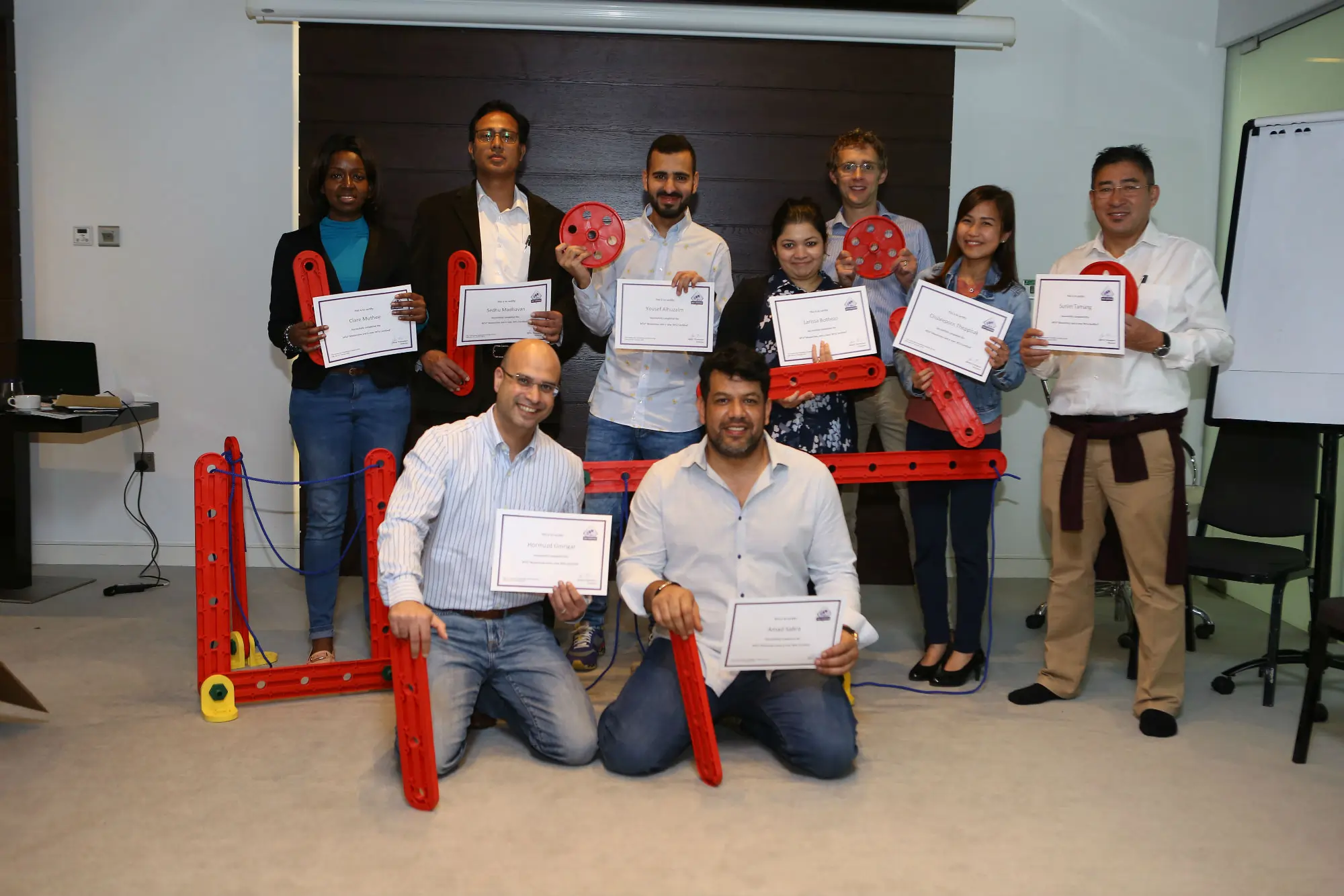
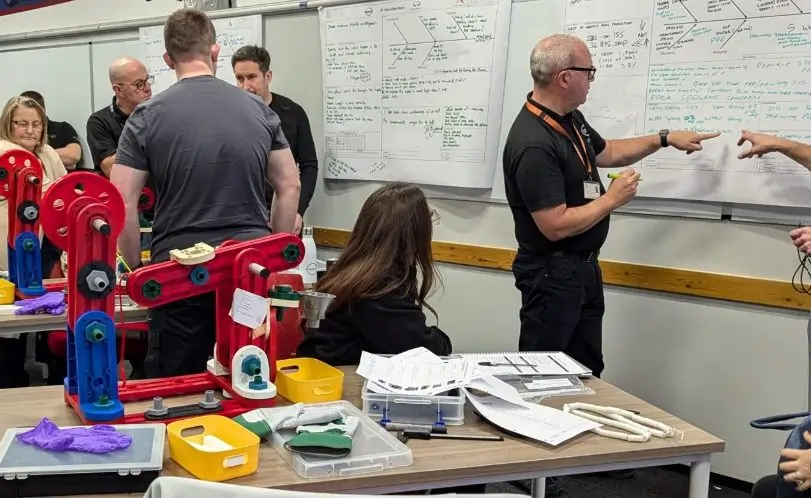
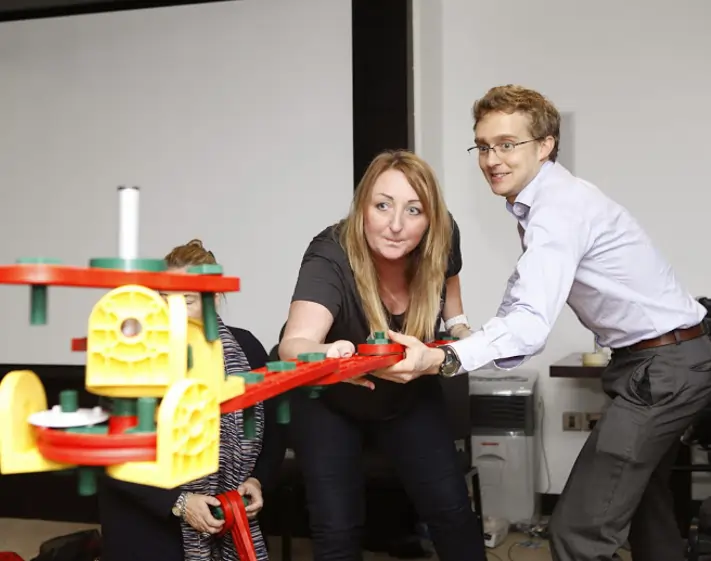
Usually we gather over an informal cup of coffee where I try to introduce myself to everyone individually but as soon as ‘the bell goes’ I introduce a short task which involves everyone working in groups of 3 – 5.
The Task
The task is always non-threatening in nature, involves no technical knowledge whatsoever, but demands communication, decision making and co-operation. It will be designed to engage individuals intellectually and emotionally but the output of the task itself will be inconsequential. My aim is for everyone to join in and enjoy becoming absorbed in and contributing to a group task: I want them to ‘be themselves’; no role play!
Personally relevant learning
Once I’ve got participants’ engagement I switch the focus from an absorbing task to learning that everyone will see to be personally relevant. This transition must be quick, must be seen to be positive, and, as with the task, be non-threatening.
Question
The best way I’ve found to do this is, immediately after the task, to gather everyone together and ask the question:
‘If I were to ask you to do a similar task in the future, what are the key skills, behaviours, attitudes or approaches that would enable you to be as successful as possible?’
Answer
I draw as many answers as I can from the group seeking answers that can be converted into simple actions, e.g. someone may say ‘communicate’, which I’ll accept, but then I’ll ask the group for this to be broken down into relevant constituent elements, e.g. express ideas and listen.
Scope for improvement
When I’ve a lengthy list I’ll ask people to consider whether they’ve just been thinking ahead as requested, or also reviewing their performance against the points raised. Most will accept that they’d been reviewing and so now it’s a small step for individuals to highlight for themselves points where they see they have scope for improvement and then for the small groups to discuss what they should try to do in their groups that will improve individual and group performance on the next task.
Follow up
Typically I follow up with another task (where they have two objectives, task completion and personal improvement) and then a second review which focuses on perceived personal change……
…… then, perhaps 60 minutes after we’ve begun work I may introduce the workshop……
If you’d like more tips on facilitating or how to structure your training course then get in touch!